Hitting a creative wall in web design? You’re not alone 68% of designers struggle with inspiration monthly (Forbes, 2025). In 2025, with 59% of users preferring visually stunning sites (Adobe, 2025), finding web design inspiration is essential for crafting engaging, conversion-boosting experiences. But navigating millions of sites risks outdated or impractical ideas.
At Web Guider, your web design and development agency, we’ve curated the top 10 websites for web design inspiration in 2025, blending timeless gems like Awwwards for award-winning excellence, Behance for diverse portfolios, Dribbble for UI/UX breakdowns, SiteInspire for curated showcases, and Webflow Showcase for animation-rich examples. These platforms deliver minimalist elegance, bold trends, and practical solutions to fuel your projects. Dive in to discover the best web design inspiration resources and elevate your work!
Why Web Design Inspiration Matters More Than Ever
Before diving into specific resources, understanding why intentional inspiration-gathering dramatically improves design outcomes helps you approach these tools strategically rather than passively scrolling.
Inspiration Breaks Creative Blocks
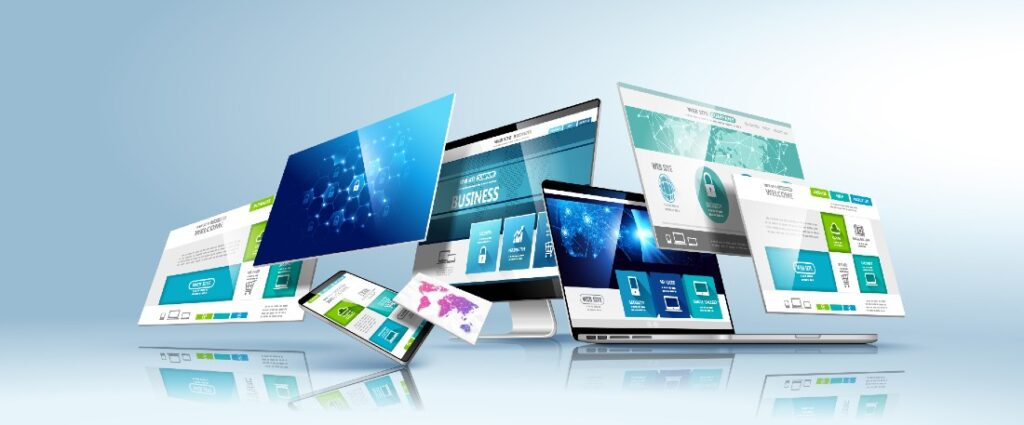
Designer’s block is real and frustrating. When you’re stuck on layout decisions, color choices, or interaction patterns, seeing how others solved similar challenges provides the mental reset needed to move forward. Exposure to diverse solutions often triggers “aha moments” unlocking your unique approach.
Staying Current with Design Evolution
Web design evolves rapidly. What felt cutting-edge two years ago now appears dated. Regular exposure to contemporary work keeps your design sensibilities current, ensuring clients receive modern solutions rather than recycled patterns from outdated portfolios.
Learning Through Observation
Studying exceptional designs teaches principles that courses and tutorials often miss. You learn how subtle spacing creates breathing room, how color choices evoke specific emotions, and how animation enhances rather than distracts lessons absorbed through repeated exposure to quality work.
Understanding Industry Standards
Different industries have distinct design conventions. Healthcare sites emphasize trust and clarity; creative agencies showcase bold experimentation; SaaS platforms prioritize functional efficiency. Inspiration resources expose you to these varied approaches, expanding your design vocabulary beyond personal preferences.
Competitive Analysis and Differentiation
Understanding what competitors and industry leaders are doing helps you design strategically. You identify opportunities to differentiate while meeting baseline expectations users bring from their experiences elsewhere.
According to research, designers who actively curate inspiration libraries produce 40% more creative solutions and complete projects 25% faster than those working in isolation. Working with professional website design experts who understand contemporary trends ensures your projects reflect current best practices.
How to Use Design Inspiration Effectively
Simply browsing beautiful websites won’t automatically improve your work. Strategic inspiration-gathering follows specific practices maximizing creative benefits:
Analyze, Don’t Just Admire
When you encounter inspiring design, dig deeper than surface appreciation. Ask: What makes this effective? How does layout guide attention? Why did they choose these colors? What problem does this interaction solve? Active analysis converts passive consumption into practical learning.
Save and Organize Methodically
Create systematic inspiration libraries organized by categories: navigation patterns, color schemes, typography treatments, animation styles, industry examples. Tools like Pinterest, Are.na, or simple browser bookmarks help you quickly reference specific inspiration when facing particular challenges.
Adapt, Never Copy
Inspiration provides creative jumping-off points, not templates to replicate. The goal is understanding principles behind great work so you can apply similar thinking to your unique context not duplicating someone else’s specific execution.
Seek Diversity
Don’t limit inspiration to your industry or preferred style. Architectural photography might inspire unique layout approaches. Fashion websites could influence your color choices. Industrial design principles might shape your information hierarchy. The best innovation often comes from cross-pollinating ideas across disciplines.
Balance Trends with Timelessness
While staying current matters, chasing every trend creates designs that quickly feel dated. Look for work balancing contemporary aesthetics with timeless usability principles that remain effective regardless of passing fads.
Similar to how web design services approach projects through research and strategic planning, effective inspiration-gathering requires intention and structure rather than random browsing.
The 10 Best Websites for Web Design Inspiration
Let’s explore the premier destinations where designers discover exceptional work, learn contemporary techniques, and find creative spark for their next projects.
1. Awwwards The Gold Standard for Design Excellence
What It Offers:
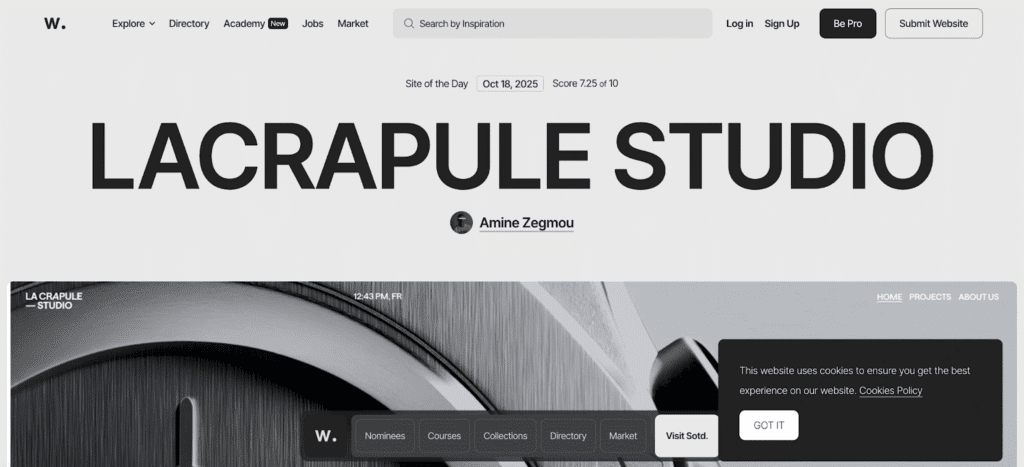
Awwwards has earned its reputation as the web design industry’s most prestigious showcase. Their rigorous jury composed of leading designers, developers, and digital agencies evaluates submissions across design, usability, creativity, and content quality. Only exceptional work receives recognition, making every featured site worth studying.
Why It’s Valuable:
Beyond showcasing winners, Awwwards provides detailed breakdowns explaining what makes each site exceptional. You see jury scores across multiple criteria, developer notes about technical implementation, and often case studies revealing the strategic thinking behind design decisions.
Best For:
Designers seeking cutting-edge, award-worthy inspiration. If you want to understand what the industry’s best consider excellent, Awwwards sets the benchmark.
How to Use It:
Browse by industry, color, or element type to find relevant inspiration. Read jury feedback to understand evaluation criteria. Study winners’ technical implementations to learn advanced techniques. Use their annual reports identifying emerging design trends.
Website: awwwards.com
2. Behance Creative Community and Portfolio Showcase
What It Offers:
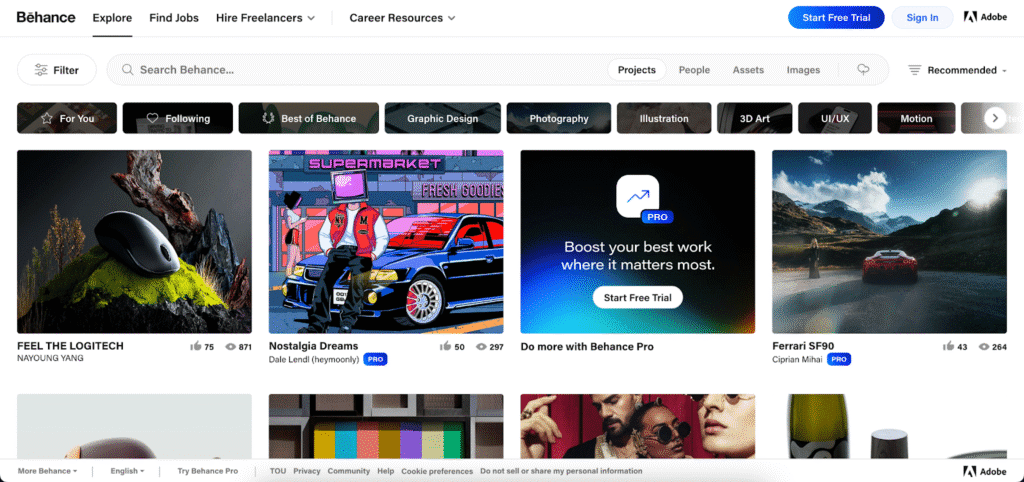
Adobe’s Behance hosts millions of creative projects from designers worldwide. Unlike curated galleries featuring only elite work, Behance shows the full spectrum from emerging designers building portfolios to established studios showcasing major brand campaigns.
Why It’s Valuable:
Behance’s diversity exposes you to varied approaches and styles. You discover fresh perspectives from designers across different countries, industries, and experience levels. Many projects include detailed case studies explaining creative processes, research, and iterations.
Best For:
Designers wanting exposure to diverse creative approaches beyond typical web design. Behance spans graphic design, branding, illustration, and motion design all potentially informing web projects.
How to Use It:
Follow designers whose work resonates with your aesthetic. Explore projects by specific industry or style. Use Adobe’s integration to save inspiration directly to Creative Cloud libraries. Engage with the community through comments and appreciations.
Website: behance.net
3. Dribbble UI/UX Design Showcase
What It Offers:
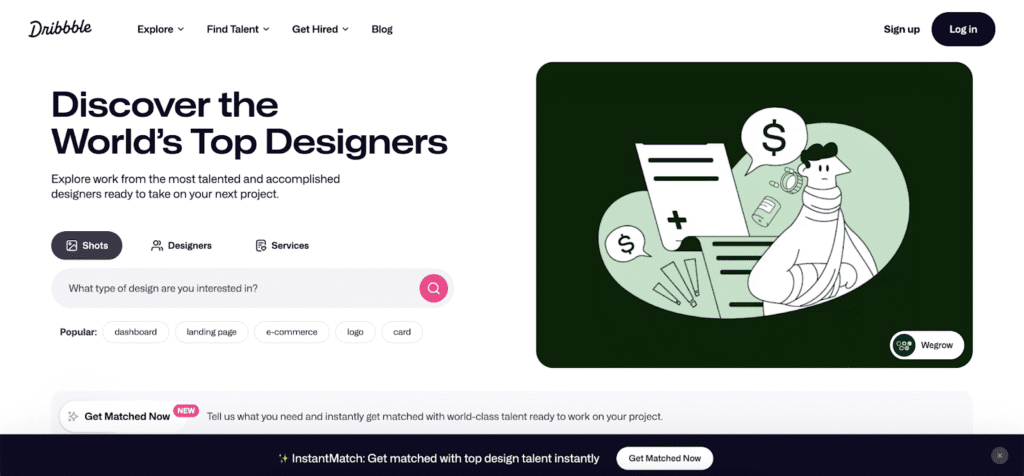
Dribbble focuses specifically on UI and UX design, making it incredibly relevant for web designers. Designers share individual interface components, full page designs, and micro-interactions perfect for solving specific design challenges.
Why It’s Valuable:
Rather than complete websites, Dribbble showcases focused design elements. Need navigation inspiration? Search navigation designs. Stuck on form layout? Browse form examples. This component-level focus helps you solve specific problems quickly.
Best For:
UI designers seeking inspiration for specific interface elements and interaction patterns. Also valuable for discovering talented designers available for hire.
How to Use It:
Search by specific UI elements you’re designing. Follow designers whose style matches your project needs. Save shots to collections organized by project or element type. Explore trending designs to stay current with UI patterns.
Website: dribbble.com
Much like how UX design experts approach interface challenges through systematic problem-solving, Dribbble provides focused solutions to specific design questions.
4. SiteInspire Curated Website Showcase
What It Offers:
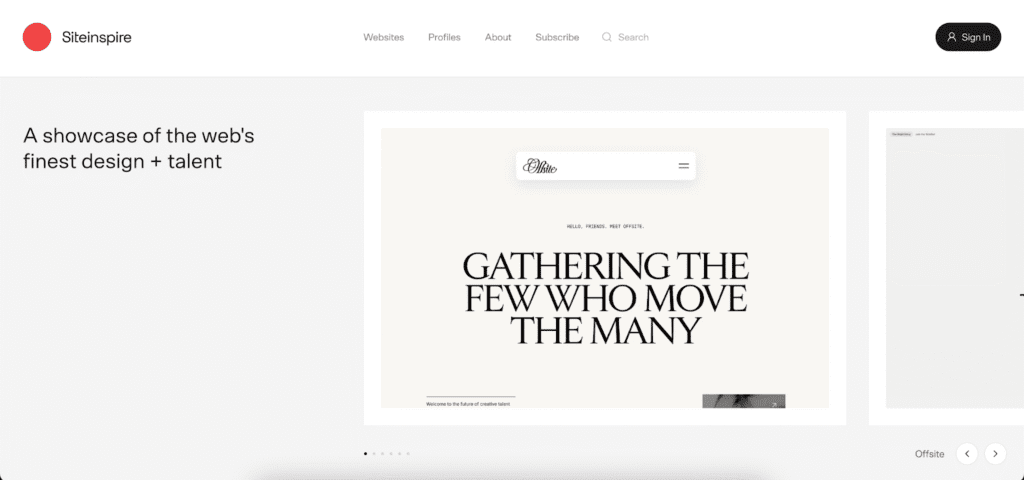
SiteInspire curates exceptional website designs organized by style, type, platform, and subject. Their filtering system makes finding relevant inspiration remarkably efficient narrow results by multiple criteria simultaneously to discover exactly what you need.
Why It’s Valuable:
Quality curation means every featured site merits attention. Unlike platforms where anyone can submit, SiteInspire’s editorial team selects only work meeting their standards. This saves time you’d otherwise spend evaluating submission quality yourself.
Best For:
Designers needing inspiration for specific website types or styles. The advanced filtering helps you quickly find relevant examples rather than browsing randomly.
How to Use It:
Use multiple filters simultaneously (e.g., “portfolio + minimal + WordPress”) to find precisely relevant examples. Study how different sites solve similar challenges. Create personal collections of favorites for future reference.
Website: siteinspire.com
5. Webflow Showcase Modern Web Design Examples
What It Offers:
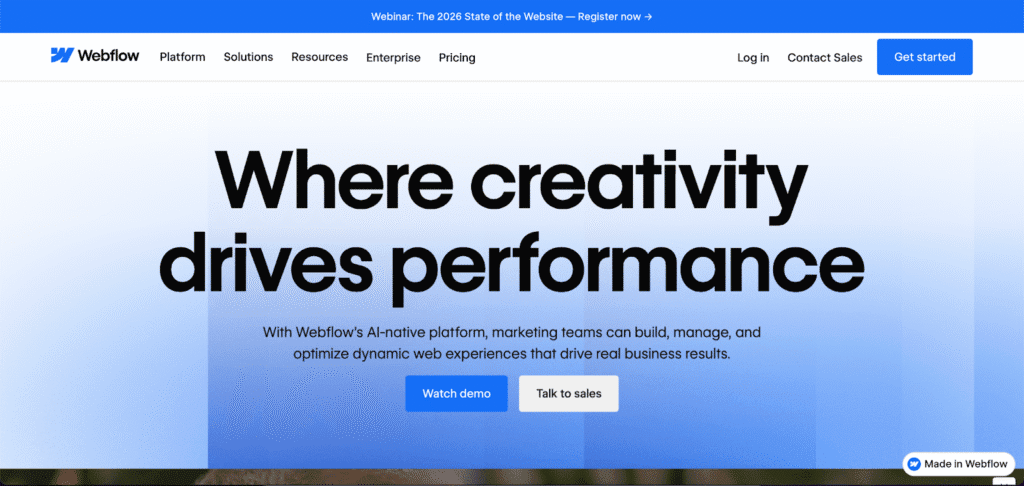
Webflow’s showcase features websites built on their platform, demonstrating what’s possible with modern web technologies. Since Webflow enables complex designs without traditional coding, their showcase often features experimental and visually ambitious work.
Why It’s Valuable:
Webflow sites push creative boundaries while remaining fully functional not just static mockups. You see innovative animations, layout approaches, and interactions actually implemented and performing well.
Best For:
Designers interested in contemporary, animation-rich designs and wanting to understand what’s technically feasible with current web technologies.
How to Use It:
Filter by industry to find relevant examples. Click through to live sites to experience interactions firsthand. Use Webflow’s cloneable projects to study exactly how effects were achieved. Read case studies when available.
Website: webflow.com/discover
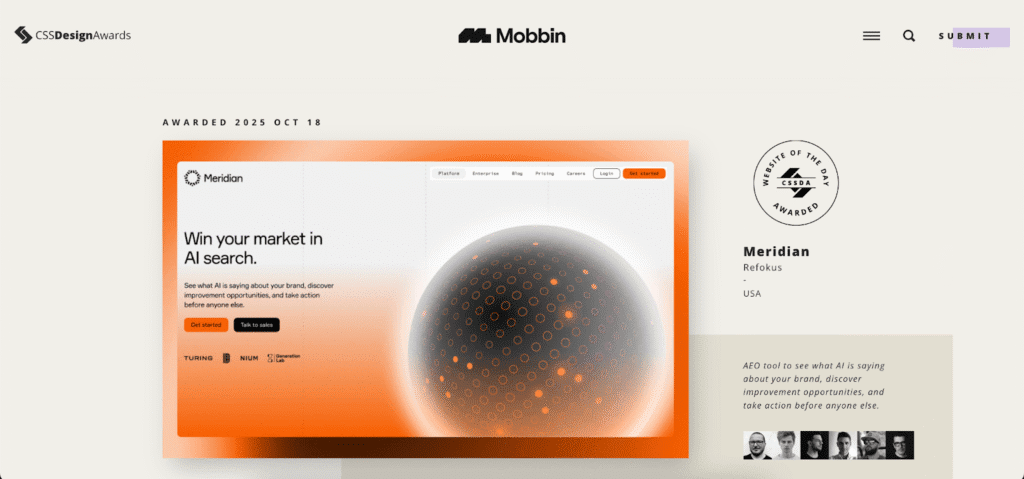
6. CSS Design Awards Technical Excellence Focus
What It Offers:
CSS Design Awards recognizes websites excelling in design, creativity, and innovation with particular attention to technical implementation. Their evaluation emphasizes not just aesthetics but code quality, performance, and technical sophistication.
Why It’s Valuable:
If you care about the technical craft behind beautiful design, CSS Design Awards provides exceptional examples of well-built sites. You discover how to achieve visual impact without sacrificing performance crucial for real-world projects.
Best For:
Designers and developers wanting inspiration that balances creative ambition with technical excellence and practical performance.
How to Use It:
Study award winners’ technical implementations. Read developer insights about how they achieved specific effects. Use their resources section for tutorials and articles. Filter by technology to find examples using specific platforms or frameworks.
Website: cssdesignawards.com
Similar to how web development balances aesthetics with technical performance, CSS Design Awards highlights work succeeding on both fronts.
7. Landingfolio Landing Page Inspiration
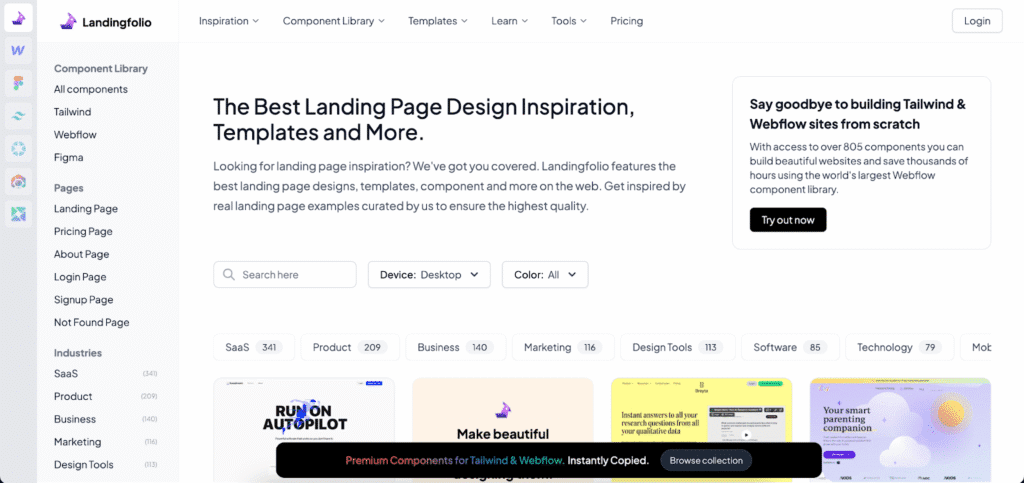
What It Offers:
Landingfolio specializes in landing page designs, offering thousands of examples organized by industry, color, and design element. They focus specifically on conversion-oriented pages rather than full websites.
Why It’s Valuable:
Landing pages demand particular design approaches immediate value communication, compelling CTAs, trust signals, and conversion optimization. Landingfolio’s specialization means every example addresses these specific challenges.
Best For:
Marketers and designers creating landing pages for campaigns, product launches, or lead generation where conversion rates directly impact success.
How to Use It:
Browse by your industry to see how competitors and leaders structure their pages. Study how effective pages balance information with conversion focus. Analyze CTA placement, headline formulas, and social proof implementation across high-performing examples.
Website: landingfolio.com
Understanding custom conversion principles through studying proven landing page examples helps you design pages that actually perform.
8. Mobbin Mobile App and Web Design Patterns
What It Offers:
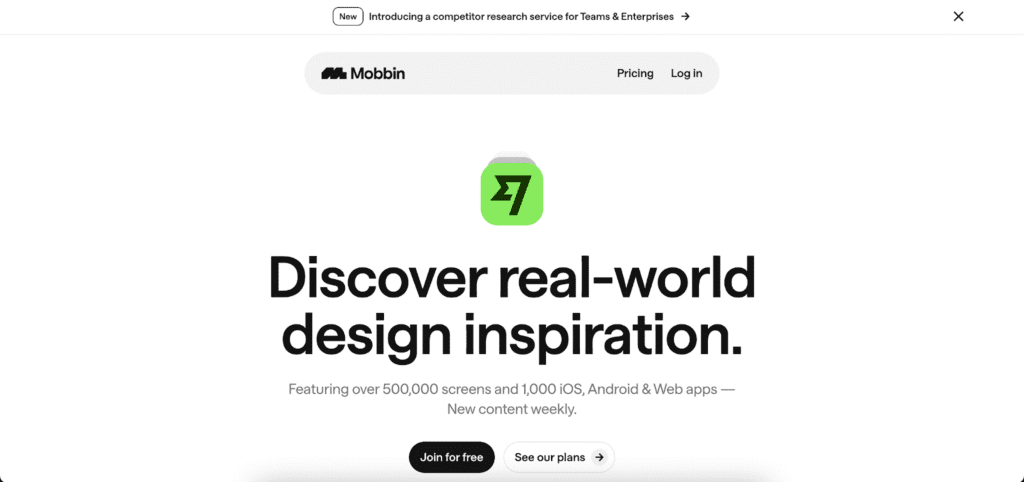
While primarily known for mobile app design inspiration, Mobbin also features web designs and particularly excels at showcasing responsive mobile experiences. Their library includes thousands of screens organized by flow (onboarding, checkout, settings) and pattern (navigation, forms, empty states).
Why It’s Valuable:
Mobile-first design isn’t optional in 2025. Mobbin helps you understand how leading products solve mobile UX challenges, providing proven patterns you can adapt rather than reinventing from scratch.
Best For:
Designers working on responsive websites or progressive web apps needing mobile-specific inspiration and proven UX patterns.
How to Use It:
Search by specific user flows you’re designing. Study how different apps solve similar problems differently. Save patterns to collections for reference during your projects. Use their filtering to find examples from specific industries or companies.
Website: mobbin.com
9. Httpster Minimalist and Experimental Design
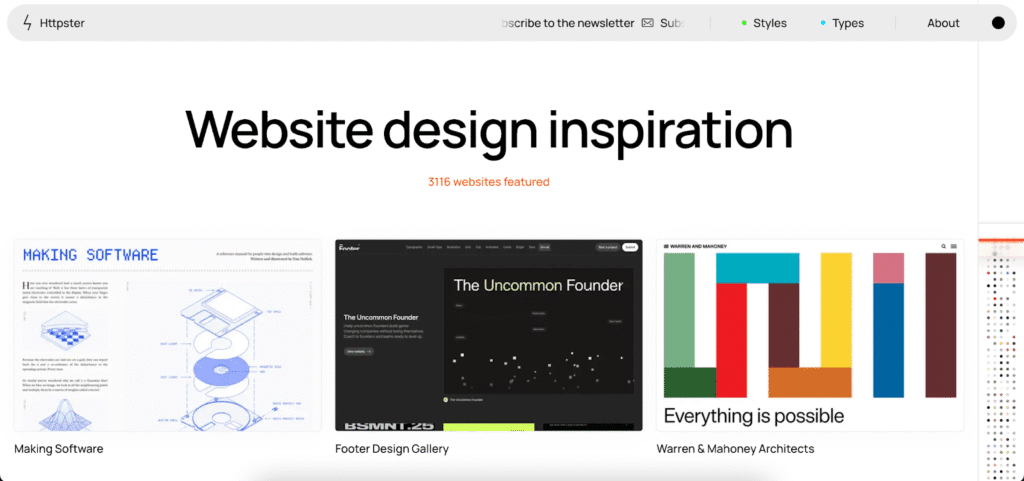
What It Offers:
Httpster curates websites emphasizing creative experimentation and artistic expression. Their selection leans toward bold, unconventional designs that challenge typical web conventions.
Why It’s Valuable:
Sometimes you need inspiration pushing boundaries rather than following established patterns. Httpster shows what’s possible when designers prioritize creative expression inspiring you to think beyond safe, conventional approaches.
Best For:
Creative professionals, agencies, and artists seeking bold, experimental inspiration for projects where standing out matters more than strict convention-following.
How to Use It:
Browse for unexpected layout ideas and color combinations. Study how experimental sites maintain usability despite unconventional approaches. Use their archive to track design evolution and emerging experimental trends.
Website: httpster.net
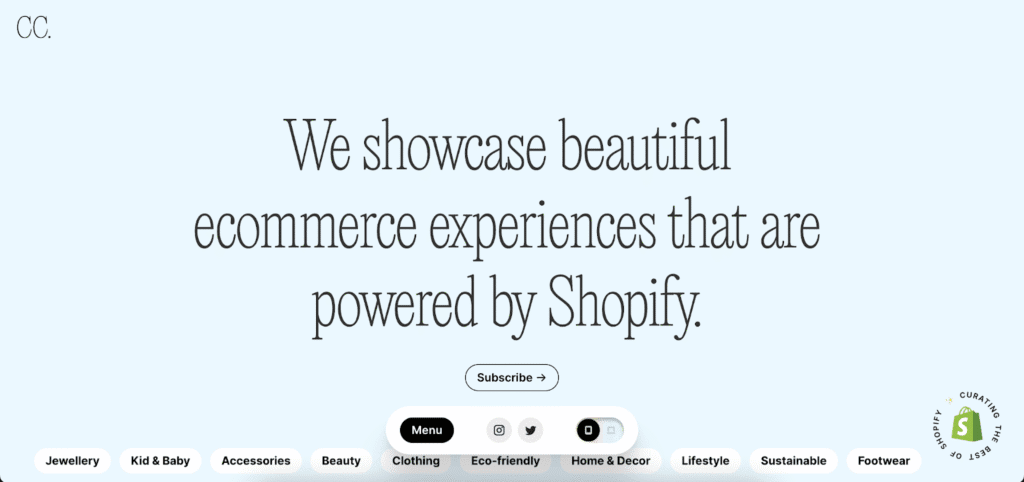
10. Commerce Cream E-Commerce Design Excellence
What It Offers:
Commerce Cream showcases exceptional e-commerce websites and product pages. They feature everything from independent brands to major retailers, highlighting effective product presentation, navigation, and checkout experiences.
Why It’s Valuable:
E-commerce design balances aesthetics with conversion optimization, user trust, and complex functionality. Commerce Cream features examples succeeding across these dimensions teaching you how visual appeal and commercial effectiveness coexist.
Best For:
Designers and developers working on online stores, product pages, or any commercial website where design directly impacts revenue.
How to Use It:
Study how effective stores structure product browsing and filtering. Analyze product page layouts balancing imagery, information, and purchase CTAs. Observe how trust signals integrate naturally into designs. Note innovative approaches to common e-commerce challenges.
Website: commercecream.com
These ten resources provide comprehensive inspiration coverage from experimental artistry to practical e-commerce solutions, from UI components to complete website experiences. Together, they ensure you always have fresh creative fuel regardless of your project type.
How to Build Your Personal Inspiration System
Beyond these specific resources, developing systematic inspiration-gathering habits compounds creative benefits over time:
Create a Daily Inspiration Ritual
Spend 15-20 minutes daily browsing inspiration sources. This consistent exposure keeps your design sensibilities sharp and builds extensive mental libraries of patterns and approaches.
Organize Systematically
Create clear categorization systems for saved inspiration: by project type, design element, industry, color palette, or whatever organization matches your workflow. Well-organized inspiration becomes actually useful rather than just accumulated clutter.
Document Your Observations
When saving inspiration, add notes about what specifically caught your attention. “Great use of whitespace creating breathing room” proves more useful later than just an image without context.
Share and Discuss
Join design communities discussing inspiration. Articulating what makes designs effective deepens your understanding beyond passive observation.
Review Regularly
Periodically review your saved inspiration, looking for patterns in what consistently attracts you. Understanding your aesthetic preferences helps you develop signature style while intentionally expanding your range.
Working with creative web agency teams who maintain comprehensive inspiration systems ensures projects benefit from broad creative exposure rather than narrow individual perspectives.
Design Trends Emerging from 2025 Inspiration
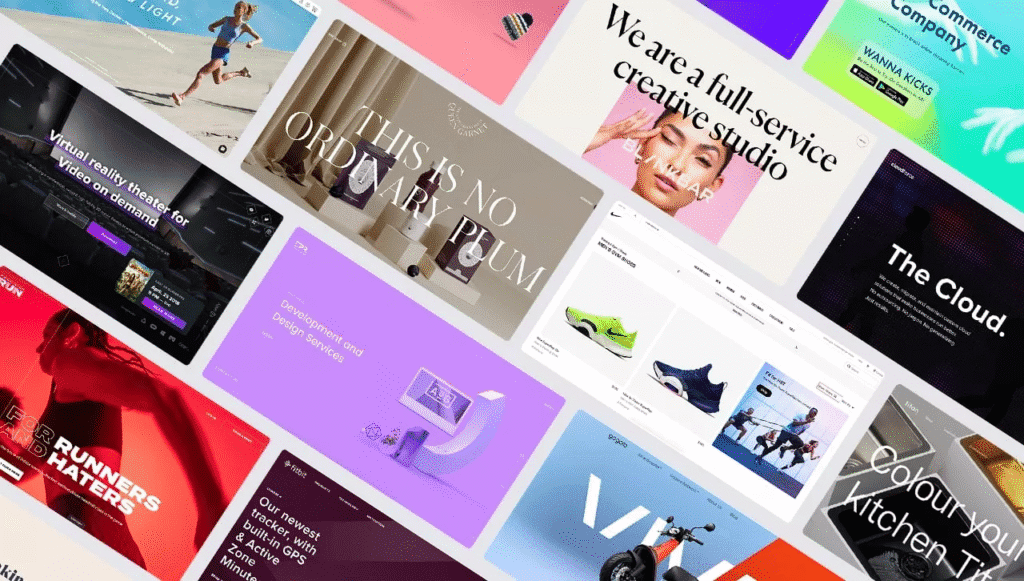
Studying contemporary inspiration reveals recurring themes defining 2025’s design landscape:
Kinetic Typography and Text Animation
Text is no longer static. Designers animate typography for emphasis, delight, and guiding attention from subtle hover effects to elaborate kinetic installations.
Immersive 3D Elements
WebGL and Three.js enable sophisticated 3D graphics previously impossible in browsers. Expect more sites incorporating three-dimensional product visualization, abstract 3D backgrounds, and interactive spatial experiences.
Brutalist Aesthetics with Purpose
Raw, unpolished design aesthetics are evolving beyond pure rebellion. Contemporary brutalism balances unconventional layouts with strong usability foundations bold expression that still functions excellently.
Eco-Conscious, Sustainable Design
Environmental awareness influences design choices. Minimalist aesthetics reduce code weight and energy consumption. Dark modes decrease screen power usage. Designers increasingly consider environmental impact alongside aesthetics.
Personalization at Scale
Dynamic content adapting to user preferences, location, and behavior creates individualized experiences. AI-powered personalization makes mass customization feasible every visitor seeing subtly tailored versions.
Voice and Conversational Interfaces
As voice interaction becomes standard, websites integrate voice commands and conversational AI naturally into traditional interfaces expanding access while creating new interaction models.
Accessibility-First Design
Universal design principles move from afterthought to foundation. Contemporary inspiration demonstrates how accessible design often produces cleaner, more usable experiences for everyone.
These trends don’t dictate your designs but inform decision-making, ensuring work feels contemporary rather than dated. Similar to how web design evolves continuously, staying current with trends keeps your skills marketable and projects effective.
Common Inspiration Mistakes to Avoid
Even with excellent resources, certain pitfalls undermine effective inspiration use:
Copying Instead of Adapting
Replicating designs exactly is plagiarism and lazy thinking. Inspiration should spark original ideas, not provide templates to copy verbatim. Understand the principles behind what works, then apply them uniquely.
Ignoring Context
A technique working brilliantly for one project might fail disastrously for yours. Consider your specific audience, goals, and constraints rather than blindly implementing impressive patterns regardless of fit.
Trend-Chasing Without Strategy
Following every trend creates designs feeling scattered and dated quickly. Selectively adopt trends serving your specific project goals while maintaining timeless usability foundations.
Overlooking Usability for Aesthetics
Beautiful designs frustrating users fail regardless of artistic merit. Balance creative ambition with functional excellence form and function aren’t opposing forces but complementary priorities.
Inspiration Procrastination
Endlessly browsing inspiration delays actual work. Set boundaries gather inspiration for specific challenges, then execute. Inspiration fuels creativity but shouldn’t replace actual creative work.
People Also Ask
Where do professional web designers find inspiration?
Professional designers maintain diverse inspiration sources including dedicated galleries like Awwwards and Behance, industry-specific showcases, Pinterest boards, Instagram design accounts, design system documentations, and real-world sources like architecture, print design, and nature. They curate personal libraries organized by project type, design element, and aesthetic style.
Many subscribe to design newsletters and participate in communities discussing exceptional work. Rather than passive browsing, professionals study inspiration analytically understanding principles behind effective designs to apply adapted versions to their unique projects.
How often should I browse design inspiration?
Establish regular inspiration habits without letting browsing consume productive time. Many designers dedicate 15-30 minutes daily to inspiration review, treating it like professional development rather than procrastination. When starting projects, invest additional focused research time studying examples relevant to specific challenges.
During execution phases, limit inspiration browsing to avoid analysis paralysis. The key is consistency over volume brief regular exposure builds extensive mental libraries more effectively than occasional marathon sessions. Working with website development company professionals provides access to their curated inspiration systems without individual time investment.
Can too much inspiration hurt my creativity?
Excessive inspiration consumption without execution creates analysis paralysis you know what great work looks like but struggle producing original solutions. Balance inspiration intake with actual creative production. Some designers intentionally avoid inspiration immediately before projects, ensuring their initial concepts emerge from authentic thinking rather than recent exposure.
Use inspiration strategically for specific challenges rather than constant passive consumption. The goal is informed creativity, not derivative repetition of observed patterns. Trust your creative instincts developed through experience rather than over-relying on external validation through excessive comparison.
How do I develop my own design style while using inspiration?
Personal style emerges through consistent decision-making patterns across projects preferred color approaches, layout structures, typography treatments, and interaction patterns. Study your saved inspiration identifying recurring themes attracting you these reveal your aesthetic preferences.
Consciously practice preferred approaches across multiple projects until they become instinctive. Simultaneously, intentionally expose yourself to contrasting styles preventing narrow creative range. Authentic style develops gradually through thousands of small decisions informed by, but not dictated by, inspiration. Don’t force premature “signature style” focus on making good decisions consistently and patterns naturally emerge.
What makes a website worthy of being inspiration?
Great inspiration balances multiple dimensions: visual appeal capturing attention, functional excellence serving user needs effectively, technical quality implementing designs efficiently, strategic thinking solving real business problems, and innovation offering fresh perspectives on familiar challenges.
Not every inspiring site excels equally across all dimensions some showcase stunning aesthetics with acceptable usability while others prioritize conversion optimization over visual innovation. Evaluate inspiration through your project’s lens what specific lessons does this example teach applicable to your current challenge? The most valuable inspiration aligns with your learning needs and project requirements rather than just looking impressive.
Start Creating Inspired, Original Work Today
Design inspiration accelerates creative work, expands your aesthetic vocabulary, and helps you understand contemporary standards but ultimately, great design emerges from thoughtful application of learned principles to unique challenges rather than imitation of impressive examples.
The ten resources featured in this guide provide comprehensive coverage of web design excellence across styles, industries, and approaches. Regular exposure to this caliber of work elevates your creative instincts, helping you recognize effective solutions and understand the strategic thinking behind design decisions.
But inspiration is only valuable when transformed into action. Use these resources to break through creative blocks, learn new techniques, and understand evolving standards then apply these insights to your unique projects, adapting rather than copying, understanding rather than imitating.
Let’s Transform Inspiration Into Results
At Web Guider Agency, we combine broad creative inspiration with strategic thinking and technical expertise, creating websites that aren’t just visually impressive but drive measurable business results. Our team stays current with design evolution while focusing on timeless usability principles ensuring your investment delivers lasting value.
From initial strategy through web design and development to ongoing optimization SEO, we’re your partner in creating exceptional digital experiences. We don’t just follow trends we create strategically informed designs solving your specific business challenges.
Book a free consultation to discuss your project vision and discover how we transform inspiration into high-performing reality. View our projects to see how we’ve helped businesses create memorable digital experiences driving growth.
Ready to create something exceptional? Start your project today and let’s build something remarkable together.
About Web Guider Agency: Web Guider Agency is your trusted web design studio combining creative excellence with strategic thinking and technical expertise. We help businesses build high-converting websites reflecting contemporary design standards while serving unique brand needs and business objectives. Contact us today to transform your vision into digital reality.