Your logo is your brand’s heartbeat, appearing on websites, packaging, and every customer touchpoint. But how much does logo design cost in 2025? Prices range from $0 for DIY tools to $50,000+ for elite agencies. With 75% of consumers judging credibility by logo quality (Adobe, 2025) and professional designs boosting trust by 23% (Forbes, 2025), the right investment is critical.
At Web Guider, your web design and development agency, we’ve broken down logo design cost 2025 across platforms like Canva, Looka, 99designs, Fiverr, and Web Guider. From startups to enterprises, discover the best logo design services for your budget and goals. Ready to craft a memorable brand? Let’s dive in!
Logo Design Cost: Quick Comparison Overview
Before diving deep into each option, here’s a snapshot of logo design pricing across different methods:
| Design Method | Price Range | Timeline | Best For | Quality Level |
| DIY Logo Tools | $0 – $100 | Hours | Bootstrapped startups, temporary needs | Basic, template-based |
| Logo Templates | $5 – $300 | Hours to 1 day | Quick launches, simple brands | Good, but not unique |
| Online Logo Makers | $20 – $200 | 1-2 days | Small businesses, limited budgets | Professional templates |
| Crowdsourcing Contests | $100 – $1,500 | 7-14 days | Multiple concept exploration | Variable quality |
| Freelance Designers | $250 – $2,500 | 1-4 weeks | Custom work, moderate budgets | Good to excellent |
| Design Agencies | $2,500 – $10,000+ | 4-12 weeks | Strategic branding, premium quality | Excellent to exceptional |
| Elite Brand Studios | $25,000 – $100,000+ | 12+ weeks | Enterprise, rebrands, comprehensive systems | World-class |
These ranges represent typical 2025 market rates, though individual projects can fall outside these brackets based on complexity, deliverables, timeline urgency, and designer reputation. The key is understanding not just what you pay, but what you receive in return.
Why Logo Design Matters More Than You Think
Before discussing costs, let’s establish why professional logo investment delivers measurable returns rather than representing discretionary spending.
First Impressions Happen in Milliseconds
Research shows that humans form first impressions in just 50 milliseconds barely long enough to consciously process what they’re seeing. Your logo often creates this critical first impression, particularly in digital contexts where users encounter your brand before reading text or experiencing your services.
A professional, thoughtfully designed logo immediately signals credibility, quality, and attention to detail. Conversely, an amateur or generic logo raises doubts about your professionalism and capabilities. Fair or not, people judge books by covers and businesses by logos.
Brand Recognition Drives Revenue
Consider the world’s most valuable brands: Apple’s bitten apple, Nike’s swoosh, McDonald’s golden arches, Amazon’s smile arrow. You instantly visualize these logos, and those simple symbols immediately trigger associations with entire brand experiences.
Strong logos become synonymous with everything your brand represents, creating recognition that converts into customer preference and loyalty. Studies show that consistent brand presentation increases revenue by up to 23%, with logos serving as the visual anchor for that consistency.
Credibility and Trust Building
75% of user judgment about business credibility comes directly from website design, with logos playing the starring role in that assessment. Professional logos communicate that you’re a legitimate, trustworthy operation worth doing business with.
This credibility factor proves especially critical for new businesses lacking extensive track records, customer reviews, or market presence. A polished logo helps level the playing field, allowing startups to compete visually with established competitors.
Long-Term Investment Value
While trends come and go, truly excellent logos demonstrate remarkable longevity. Coca-Cola has used essentially the same script logo since 1887. IBM’s striped lettermark has remained largely unchanged since 1972. Nike’s swoosh, designed in 1971 for just $35, now represents one of the world’s most valuable brands.
This longevity represents accumulated brand equity the premium customers pay specifically because of brand association. Every positive experience someone has with your brand reinforces positive associations with your logo, compounding value over decades. This long-term perspective reframes logo design from a one-time expense to a foundational investment that appreciates continuously.
Competitive Differentiation
In crowded markets where product or service differences narrow, superior branding becomes primary differentiation. Your logo helps you stand out visually, communicate unique personality, and occupy distinctive mental real estate in customer minds.
Memorable logos create shortcuts in buyer decision-making when faced with multiple similar options, customers gravitate toward brands they recognize and trust, both conveyed largely through logo quality and consistency.
Working with experienced creative web agency professionals ensures your logo serves as the foundation for comprehensive brand strategy rather than existing as an isolated design element.
Option 1: DIY Logo Design Tools
Price Range: $0 – $100
Timeline: Hours to days
Skill Required: Basic to intermediate
Overview
DIY logo design tools empower non-designers to create logos independently using templates, icons, and customization features. Modern platforms have simplified the process significantly, making basic logo creation accessible to anyone with internet access and basic computer skills.
Popular DIY Platforms
Canva
- Pricing: Free basic version; $15/month for Pro (annual billing)
- Features: 1,000+ logo templates, drag-and-drop editor, extensive icon library, custom fonts
- Export Formats: PNG, JPG, PDF, SVG (Pro only)
- Best For: Users wanting maximum creative control with minimal learning curve
Adobe Express
- Pricing: Free basic version; $10/month for premium features
- Features: Professional templates, Adobe font library, brand kit storage, social media sizing
- Export Formats: PNG, JPG, PDF
- Best For: Users already in Adobe ecosystem or needing additional design tools
Looka (AI-Powered)
- Pricing: $20 for basic package; $65 for premium with full file suite
- Features: AI-generated designs based on preferences, unlimited revisions, brand kit
- Export Formats: PNG, SVG, EPS, PDF (premium)
- Best For: Non-designers wanting professional-looking results quickly
LogoMaker
- Pricing: Free to use; $39.99 for high-resolution download
- Features: Template library, simple customization, basic export options
- Export Formats: PNG, JPG
- Best For: Absolute minimal budgets with basic needs
Tailor Brands
- Pricing: $10/month subscription for logo and branding tools
- Features: AI logo generation, social media templates, branded materials
- Export Formats: PNG, JPG, SVG
- Best For: Ongoing branding needs beyond just logo
What You Actually Get
DIY tools typically provide access to template libraries, icon and shape collections, font selections, color customization options, and basic file exports (usually PNG and sometimes JPG). Premium versions add vector formats (SVG, EPS), higher resolutions, commercial usage rights, and ongoing access for future revisions.
Advantages
- Extremely Affordable: Free options exist; paid versions cost less than a single hour with most designers
- Complete Creative Control: Make changes instantly without waiting for designer revisions or approvals
- Fast Turnaround: Create and download your logo within hours or even minutes
- Learning Opportunity: Hands-on experience with design fundamentals and tools
- No Communication Overhead: Eliminate back-and-forth with designers or explaining your vision
- Unlimited Iterations: Experiment freely without worrying about revision limits
Disadvantages
- Limited Originality: Templates are used by thousands of businesses, risking visual similarity with competitors
- Amateur Aesthetics: Without design training, results often look unprofessional despite template quality
- Time Investment: Creating something decent requires significant trial and error, especially without design experience
- Restricted Customization: Template constraints limit your ability to achieve truly unique outcomes
- Questionable Scalability: Some DIY logos don’t work well across all sizes and applications
- No Strategic Thinking: Tools can’t advise on color psychology, target audience appeal, or competitive positioning
- File Format Limitations: Free versions often provide only low-resolution raster files unsuitable for print
Best For
DIY tools work well for absolute minimum budgets, temporary needs before proper branding, side projects and hobbies, or extremely simple businesses where visual identity is less critical. They’re also useful for creating quick mockups to communicate visual direction before hiring professionals for final execution.
Hidden Costs
While the software might be cheap or free, consider opportunity costs of your time learning tools and iterating designs. Additionally, you may need to upgrade for commercial licenses, pay for stock photography or icons, or invest in additional software to create print-ready vector files.
Option 2: Pre-Made Logo Templates
Price Range: $5 – $300
Timeline: Hours to 1 day
Skill Required: Basic design software knowledge
Overview
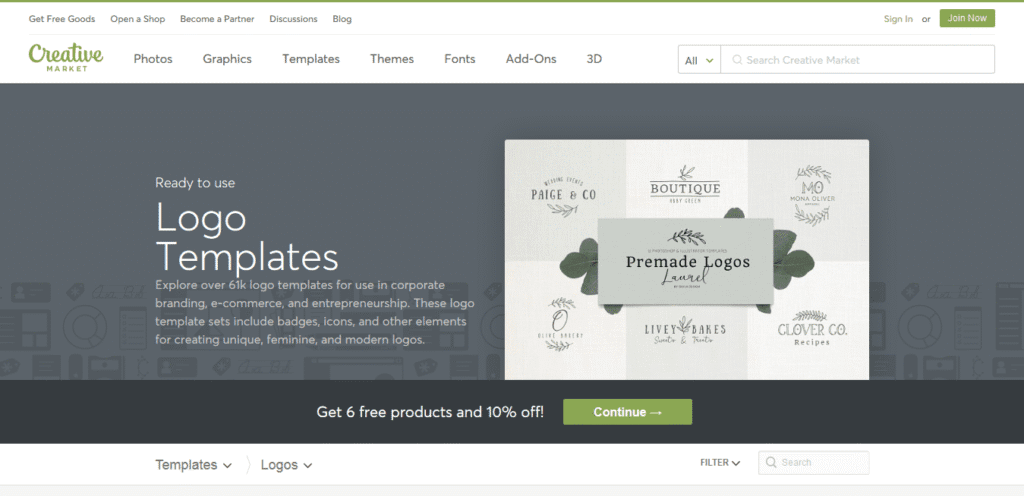
Logo template marketplaces offer pre-designed logos created by professional designers that you can purchase and customize. These represent a middle ground between completely DIY creation and hiring a designer for custom work.
Popular Template Marketplaces
Creative Market
- Pricing: $10-$100 per template or bundle
- Licensing: Standard (limited commercial use) and Extended (unlimited sales) options
- Quality: Professionally designed templates from vetted designers
- Formats: Usually includes AI, EPS, PNG, JPG files
Etsy
- Pricing: $5-$250 for customizable logo files
- Services: Many sellers offer minor customization for additional fees
- Quality: Varies significantly by seller
- Formats: Check carefully; not all include vector files
GraphicRiver (Envato)
- Pricing: $5-$100 for premium bundles
- Selection: Massive library of vector-based templates
- Licensing: Clear commercial use terms
- Formats: Typically includes comprehensive file packages
TemplateMonster
- Pricing: $10-$200 for premium templates
- Quality: Professional-grade designs
- Support: Customer service and basic customization guidance
- Formats: Multiple formats with customization files
Adobe Stock
- Pricing: $30-$80 per template with Adobe licensing
- Integration: Works seamlessly with Adobe Creative Cloud
- Quality: Professional templates meeting Adobe standards
- Formats: Fully editable native Adobe files
What You Actually Get
Template purchases typically include multiple file formats (AI, EPS, SVG, PNG, JPG), color variations, font information, basic customization instructions, and commercial usage rights. Some sellers offer limited customization services for additional fees, and many include social media sizing variations.
Advantages
- Professional Starting Point: Templates created by trained designers with understanding of visual principles
- Affordable Pricing: Significantly cheaper than custom design while offering better quality than pure DIY
- Quick Implementation: Purchase, customize, and use within hours
- Complete File Packages: Usually includes all formats needed for various applications
- Legal Clarity: Comes with licensing information specifying usage rights
- Refinable Foundation: Provides solid base for further customization
Disadvantages
- Not Unique: Others may purchase and use the same template, especially popular designs
- Limited Customization: You’re constrained by the template’s foundational design decisions
- Requires Software Skills: Meaningful customization often requires Adobe Illustrator or similar professional tools
- No Strategic Input: Templates lack the research, strategy, and positioning that custom design provides
- Format Restrictions: Some templates don’t include vector formats or high-resolution files
- Generic Appeal: Templates designed for broad appeal rarely perfectly match specific brand personalities
Best For
Logo templates suit small businesses with modest budgets, short-term branding needs, entrepreneurs comfortable with design software for customization, or projects where uniqueness is less critical than professional appearance. They work well when time constraints prevent custom design but budget allows more than DIY tools.
Hidden Costs
Beyond the template purchase, factor in software subscriptions (Adobe Illustrator ~$31/month), time learning customization software, potential fees for font licenses if changing typography, and possible costs for hiring someone to customize if you lack skills.
Option 3: Online Logo Makers (AI-Powered)
Price Range: $20 – $200
Timeline: 1-2 days
Skill Required: Minimal
Overview
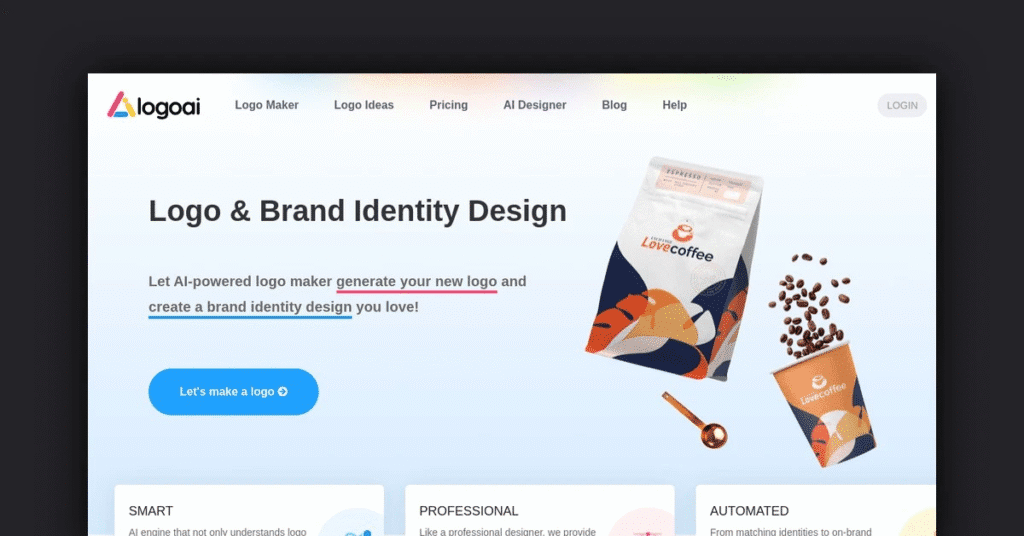
Online logo makers use artificial intelligence to generate hundreds of logo variations based on basic information about your company and design preferences. These platforms bridge DIY tools and professional design, offering more customization than templates with more guidance than blank-canvas creation.
Leading Logo Maker Platforms
Looka
- Pricing: $20 basic package (PNG files); $65 premium (all formats + brand kit)
- Process: AI generates designs based on questionnaire responses
- Customization: Extensive editing of colors, fonts, icons, layouts
- Deliverables: Logos, social media templates, business card designs
Tailor Brands
- Pricing: $10/month subscription model
- Process: AI-powered generation with ongoing brand toolkit access
- Customization: Logo editing plus additional branded materials
- Deliverables: Logo files, social media graphics, presentation templates
Wix Logo Maker
- Pricing: $12.99 basic; $50 for premium with vector files
- Process: Quick questionnaire leading to AI-generated options
- Customization: Basic editing of generated designs
- Deliverables: Logo files in multiple formats
Hatchful by Shopify
- Pricing: Completely free
- Process: Category-based generation optimized for e-commerce
- Customization: Limited editing capabilities
- Deliverables: Basic PNG files in common sizes
Brandmark
- Pricing: $25 basic; $65 designer package; $175 enterprise
- Process: AI analyzes industry and generates multiple options
- Customization: Color and layout adjustments
- Deliverables: Comprehensive file packages including brand guidelines
What You Actually Get
AI logo makers typically provide multiple design concepts to choose from, unlimited revisions and color changes, various file formats (with premium packages including vectors), social media sizing variations, and sometimes additional branded materials like business cards or letterhead templates.
Advantages
- Affordable Professional Look: Results appear more polished than typical DIY attempts
- Fast Generation: See hundreds of options within minutes
- No Design Skills Required: Guided process suitable for complete beginners
- Unlimited Revisions: Change minds and iterate without additional costs
- Comprehensive Deliverables: Premium packages include everything needed for brand launch
- Instant Gratification: Download and start using immediately
Disadvantages
- Algorithm Limitations: AI can’t replace human strategic thinking and creative intuition
- Generic Combinations: Logos combine common icons, fonts, and layouts seen elsewhere
- No Brand Strategy: Tools can’t advise on positioning, audience psychology, or competitive differentiation
- Limited True Customization: You’re selecting from AI-generated options rather than creating from scratch
- Questionable Uniqueness: Popular icons and fonts appear in millions of logos
Best For
Online logo makers suit small businesses with limited budgets but needing professional appearance, entrepreneurs comfortable with good-enough rather than perfect solutions, businesses launching quickly without time for traditional design processes, or brands planning eventual custom redesign but needing temporary professional branding.
Working with a professional website design team ensures your logo integrates seamlessly with comprehensive brand strategy rather than existing as an isolated quick solution.
Option 4: Crowdsourcing and Design Contests
Price Range: $100 – $1,500+
Timeline: 7-14 days
Skill Required: None (but requires good judgment)

Overview
Crowdsourcing platforms host design contests where you describe your needs and dozens of designers submit competing concepts. You provide feedback on submissions and ultimately select a winner who receives your prize money.
Major Crowdsourcing Platforms
99designs
- Pricing: $299 Bronze; $599 Silver; $1,099 Gold; $1,299 Platinum
- Process: 7-day contests divided into qualifying and final rounds
- Designers: 30-100+ designers depending on tier
- Guarantee: Money-back if unsatisfied with all submissions
DesignCrowd
- Pricing: $129-$799+ depending on package
- Timeline: 3, 5, or 10-day deadline options
- Submissions: Typically 40-100+ designs from multiple designers
- Guarantee: 100% money-back if requirements not met
Crowdspring
- Pricing: $299-$1,199+ for various contest tiers
- Duration: Customizable contest length
- Participation: Guaranteed minimum designer participation
- Support: Dedicated project managers for premium tiers
DesignHill
- Pricing: $249-$999+ for different designer quality tiers
- Process: Contest with qualifying rounds and designer ratings
- Revisions: Unlimited revisions with winning designer
- Deliverables: Complete file packages and source files
Hatchwise
- Pricing: $199-$499 for smaller-budget contests
- Focus: Emerging designers building portfolios
- Timeline: Standard 7-day contests
- Value: Lower pricing for decent quality submissions
What You Actually Get
Contest packages specify how many designers will participate (usually 30-100+), how many concepts you’ll receive (50-300+ submissions), revision rounds included, timeline duration (typically 7-14 days), final file formats, and sometimes additional services like social media files or brand guidelines.
Advantages
- Multiple Concepts: Receive dozens or hundreds of different creative directions to evaluate
- Fixed Budget: Know your total cost upfront with no surprise overages
- Competitive Quality: Designers compete for your business, theoretically raising quality
- Fast Results: Most contests run 7-14 days from launch to final selection
- Money-Back Guarantees: Most platforms offer refunds if you’re unsatisfied with submissions
- Diverse Perspectives: Designers from different backgrounds offer varied approaches
Disadvantages
- Inconsistent Quality: Submissions range from excellent to terrible, requiring significant sorting effort
- Generic Solutions: Without deep collaboration, designers often produce predictable, safe concepts
- Limited Revision Depth: Contest structure discourages the iterative refinement that develops great logos
- Ethical Concerns: Some designers view contests as exploiting free work from non-winners
- No Ongoing Relationship: One-and-done transaction rather than long-term design partnership
- Time Investment: Reviewing hundreds of submissions and providing feedback consumes significant time
Best For
Crowdsourcing works for businesses wanting many options to choose from, fixed budgets requiring cost certainty, decision-makers who struggle with abstract concepts and need visual options to evaluate, or projects where speed matters more than strategic depth. It’s less suitable when you need strategic consultation or expect significant revision and refinement.
Option 5: Freelance Logo Designers
Price Range: $250 – $2,500
Timeline: 1-4 weeks
Skill Required: Ability to communicate vision and provide feedback
Overview
Freelance designers work independently, offering custom logo design services without agency overhead. They range from beginners building portfolios to seasoned professionals with decades of experience, which explains the wide pricing spectrum.
Where to Find Freelancers
Upwork
- Designer Rates: $15-$200+ per hour
- Project Pricing: $200-$2,500+ for complete logos
- Quality Range: Entry-level to highly experienced professionals
- Protection: Escrow payment system and dispute resolution
Fiverr
- Package Pricing: $35-$500+ depending on designer experience
- Tiers: Basic, Standard, Premium packages with increasing deliverables
- Reviews: Extensive review systems helping identify quality
- Speed: Many designers offer quick turnarounds
Dribbble
- Designer Rates: $50-$200+ per hour for portfolio-featured designers
- Job Posting: $99-$199/month to access designer pool
- Quality: Generally higher-end designers showcasing portfolio work
- Process: Direct outreach to designers whose style matches your needs
Behance
- Pricing: Negotiate directly with designers
- Quality: Portfolio platform attracting professional designers
- Discovery: Browse portfolios to find style matches
- Process: Direct communication and custom proposals
Freelancer.com
- Pricing: $250-$2,500 project-based or hourly
- Bidding: Designers bid on your posted project
- Global Talent: Access to international designers at varied rates
- Flexibility: Negotiate scope and pricing directly
Experience-Based Pricing Tiers
Junior Designers ($250-$600)
- 0-3 years experience
- Building portfolios with limited client work
- Basic design skills and standard processes
- Suitable for very limited budgets
Mid-Level Designers ($600-$1,200)
- 3-7 years experience
- Solid portfolios with diverse client work
- Good design skills and established processes
- Sweet spot for most small business needs
Senior Designers ($1,200-$2,500)
- 7-15 years experience
- Extensive portfolios including notable brands
- Advanced skills, strategic thinking, refined processes
- Appropriate for brands prioritizing quality and strategy
Expert Specialists ($2,500+)
- 15+ years specialized experience
- Celebrity clients and award-winning work
- Elite skills, comprehensive strategy, mentoring
- Overlaps with boutique agency pricing and quality
What You Actually Get
Freelance packages vary dramatically but typically include initial consultation and discovery, 2-5 initial concepts exploring different directions, 2-3 revision rounds refining chosen concept, final files in multiple formats (PNG, JPG, PDF, and often AI, EPS, SVG vectors), basic usage rights, and sometimes style guides or application examples. More experienced freelancers often include comprehensive brand guidelines, color palette documentation, and detailed application mockups.
Advantages
- Direct Collaboration: Work one-on-one with your designer without intermediaries or account managers
- Flexible Pricing: Negotiate rates and packages based on your specific needs and budget
- Wide Talent Pool: Access global designers with diverse styles, specializations, and experience levels
- Personal Attention: Freelancers often provide more responsive communication and direct involvement
- Potential Value: Skilled freelancers offer agency-quality work without agency overhead costs
- Relationship Building: Establish ongoing relationships for future design needs
Disadvantages
- Quality Inconsistency: Experience and skill vary wildly between freelancers, requiring careful vetting
- Limited Capacity: Individual freelancers have time constraints that may extend timelines
- No Backup: If your freelancer becomes unavailable, your project stalls
- Variable Professionalism: Business practices, communication, and reliability differ significantly
- Narrow Expertise: Individual freelancers may lack the multi-disciplinary perspective agencies provide
- Risk Management: Less recourse if relationships or projects go badly
Best For
Freelancers suit businesses with moderate budgets seeking custom work, projects requiring flexible timelines and iterative collaboration, entrepreneurs who value direct designer relationships, or situations where you’ve identified a specific designer whose style perfectly matches your vision. Success requires investing time in careful freelancer selection and clear communication about expectations.
When selecting freelance designers, review their work on platforms like creative web agency portfolios to ensure their aesthetic and experience align with your brand needs.
Option 6: Professional Design Agencies
Price Range: $2,500 – $10,000+
Timeline: 4-12 weeks
Skill Required: Ability to provide strategic input and approve work

Overview
Design agencies offer comprehensive logo design services supported by strategic research, multi-disciplinary teams, and established processes. They range from small boutique studios to large international firms, with pricing reflecting their experience, reputation, and service comprehensiveness.
Agency Tiers and Pricing
Boutique Agencies ($2,500-$5,000)
- Small specialized studios (3-10 people)
- Focus on specific industries or design styles
- Strategic approach with research and positioning
- 3-5 initial concepts with extensive revisions
- Complete brand guideline documentation
- Timeline: 4-8 weeks
Mid-Tier Agencies ($5,000-$15,000)
- Established studios (10-30 people)
- Multi-disciplinary teams (strategy, design, development)
- Comprehensive research including competitive analysis
- 4-6 concepts with unlimited refinement
- Complete visual identity systems
- Timeline: 8-12 weeks
Premium Agencies ($15,000-$50,000)
- Recognized firms (30-100+ people)
- Specialized departments and senior-level teams
- Extensive strategic consulting and market research
- Multiple design explorations and testing
- Comprehensive brand systems and implementation
- Timeline: 12-16 weeks
Elite Brand Studios ($50,000-$100,000+)
- World-renowned firms with celebrity client rosters
- Fortune 500 and global brand expertise
- Months-long strategic discovery and research
- Exhaustive design exploration and refinement
- Complete brand architecture and implementation
- Timeline: 16+ weeks
What You Actually Get
Agency packages typically include:
- Strategic Discovery: Competitive analysis, audience research, brand positioning workshops
- Multiple Concepts: 3-6 initial directions exploring varied approaches
- Extensive Revisions: Unlimited or high-limit refinement rounds
- Complete File Packages: All formats including source files, vectors, and variations
- Brand Guidelines: Comprehensive documentation of logo usage, colors, typography
- Application Mockups: Examples showing logo across various contexts
- Trademark Guidance: Basic intellectual property consultation
- Ongoing Support: Post-launch assistance and optimization
Premium agencies deliver complete brand identity systems extending far beyond just the logo including color systems, typography hierarchies, graphic elements, photography styles, tone of voice guidelines, and comprehensive usage documentation.
Advantages
- Strategic Foundation: Logos rooted in research, positioning, and competitive analysis rather than just aesthetics
- Multi-Disciplinary Expertise: Teams including strategists, designers, copywriters, and project managers
- Comprehensive Deliverables: Complete brand identity systems with detailed usage guidelines
- Professional Process: Established workflows, timelines, and communication protocols
- Long-Term Partnership: Ongoing relationships supporting brand evolution beyond initial logo design
- Quality Assurance: Multiple review layers ensuring excellence before presentation
- Risk Mitigation: Established reputations and proven track records reducing project risk
Disadvantages
- Higher Investment: Agency overhead, team coordination, and expertise command premium pricing
- Longer Timelines: Thorough processes take more time than quick freelance turnarounds
- Less Direct Control: Work through account managers rather than directly with designers
- Potential Over-Engineering: Smaller businesses may not need enterprise-level complexity
- Minimum Project Requirements: Many established agencies won’t take small projects
- Cultural Fit Challenges: Larger agencies may not provide the personal touch some prefer
Best For
Agencies suit businesses where brand identity is critical to success, companies planning long-term brand building rather than quick tactical needs, organizations requiring strategic positioning and research depth, ventures with adequate budgets valuing professional excellence, or situations involving complex requirements like sub-brands, visual systems, or comprehensive identity programs.
Working with experienced web design services professionals ensures your logo integrates seamlessly with your broader digital strategy and visual identity across all touchpoints.
Hidden Costs in Logo Design Projects
Beyond the base logo design price, several potential additional costs can surprise unprepared clients:
Trademark Search and Registration
Cost: $500-$2,000+ for search; $225-$600 per class for registration
Logo designs should be unique and legally defensible. Professional trademark searches identify potential conflicts before you invest in branding around a design someone else owns rights to. Registration fees vary by jurisdiction and number of product/service classes filed.
Brand Style Guide Development
Cost: $500-$3,000+
If your designer doesn’t include comprehensive usage guidelines, you may need to commission them separately. Professional brand guides document proper logo usage, color specifications, typography systems, and application examples ensuring consistent brand presentation.
Additional File Format Conversion
Cost: $50-$200 per format
Some designers charge extra for formats beyond their standard package. If you later need specific formats for particular applications (embroidery files, specialty printing, motion graphics), conversion fees can accumulate.
Application Design and Mockups
Cost: $300-$2,000+
Logo-only packages don’t include business cards, letterhead, social media graphics, or other branded materials. Complete stationery packages and branded collateral design represent separate investments beyond logo creation.
Website Design Integration
Cost: $500-$5,000+
Implementing your new logo across your website, especially if requiring web development work to update templates, headers, and branded elements, adds costs not included in logo design pricing.
Photography and Videography
Cost: $1,000-$10,000+
Professional brand photography or video production showing your logo in context, used in marketing materials, or supporting brand launch represents additional investment many businesses need but don’t initially budget for.
Rebranding Communication
Cost: $2,000-$20,000+
Announcing your new brand identity to customers may require updated marketing materials, signage, packaging, vehicle wraps, promotional items, advertising campaigns, and public relations efforts costs that can quickly exceed the logo design investment itself.
Rush Fees
Cost: 25-100% premium on base price
Requiring completion faster than standard timelines typically incurs rush fees, as designers must decline other work or commit overtime to meet your deadline.
Planning for these potential additional expenses prevents budget surprises and ensures you can fully implement your new brand identity rather than having a great logo you can’t actually use effectively.
Key Factors That Influence Logo Design Pricing
Understanding what drives logo design costs helps you evaluate proposals intelligently and make informed decisions. Here are the primary factors influencing pricing:
Designer Experience and Reputation
Impact: 300-500% price variation
Junior designers building portfolios charge $20-$50/hour or $250-$500 per project. Mid-level designers with 3-7 years experience charge $50-$100/hour or $500-$2,000 per project. Senior designers with 10+ years and notable client portfolios charge $100-$250/hour or $2,000-$5,000+ per project. Elite designers and agencies with celebrity clients charge $10,000-$100,000+ for comprehensive brand identity work.
Experience correlates with strategic thinking, refined taste, technical mastery, and ability to solve complex brand challenges justifying higher rates through better outcomes and fewer costly mistakes.
Design Process Depth and Complexity
Impact: 200-400% price variation
Quick logo creation with minimal research costs dramatically less than comprehensive processes including competitive analysis, audience research, brand positioning workshops, extensive concept exploration, and strategic rationale development.
Strategic agencies invest significant upfront research before touching design software time that increases costs but produces more effective solutions aligned with business objectives and target audiences.
Number of Concepts and Revisions
Impact: 50-150% price variation
Packages offering 1-2 initial concepts with 1-2 revision rounds cost less than those providing 4-6 concepts with unlimited refinement. Every additional concept requires hours of creative thinking and execution, while extensive revisions consume time without advancing toward completion.
Clear communication and decisive feedback minimize revision requirements, while vague direction or constantly changing minds inflates costs through wasted effort.
Deliverables and File Formats
Impact: 30-100% price increase
Basic packages include PNG and JPG files suitable for basic digital use. Comprehensive packages add vector formats (AI, EPS, SVG, PDF) for print and infinite scalability, social media sizing variations, favicon versions for websites, email signature files, brand style guides documenting colors and usage rules, application mockups showing logo in context, and sometimes animated versions for digital use.
More deliverables mean higher upfront costs but greater long-term value by providing everything needed for complete brand implementation.
Timeline and Urgency
Impact: 25-100% premium
Rush projects requiring quick turnaround typically incur substantial premium pricing. Standard timelines for custom logos run 2-6 weeks depending on complexity. Requesting completion in days rather than weeks requires designers to decline other work or commit overtime, justifying rush fees.
Planning ahead eliminates this unnecessary cost while also allowing more thoughtful work rather than rushed solutions.
Usage Rights and Licensing
Impact: 20-200% price variation
Standard packages typically include full commercial usage rights for your business. However, some designers retain rights to display work in portfol
ios or charge extra for exclusive rights preventing portfolio use. Trademark registration assistance or guarantees that designs don’t infringe existing marks add cost.
If you need truly exclusive rights preventing the designer from ever creating similar logos for others or expect to trademark your logo internationally across multiple product categories, clarify licensing terms upfront to avoid surprises. These extended rights command premium pricing but provide essential protection for brands planning significant market presence.
Industry Specialization and Complexity
Impact: 50-200% price variation
Logos for complex industries requiring specialized knowledge (healthcare, finance, technology, legal services) often cost more than those for straightforward businesses (retail, hospitality, basic services). Designers with industry expertise understand regulatory requirements, audience psychology, and competitive landscapes knowledge that translates into more effective solutions.
Similarly, logos requiring technical illustration, custom typography, or intricate symbolic development cost more than simple text-based wordmarks or standard icon combinations.
Geographic Location
Impact: 100-300% price variation
Designer location dramatically impacts pricing due to cost-of-living variations. Designers in New York, London, or San Francisco charge 2-3x more than equally talented designers in smaller cities or international markets like India, Eastern Europe, or Southeast Asia.
However, remote work platforms have somewhat democratized pricing by enabling global competition. You can access talented international designers at lower rates, though language barriers, time zone differences, and cultural nuances may present challenges.
Add-On Services and Extended Scope
Impact: Variable, potentially doubling costs
Beyond basic logo design, many projects expand to include complete brand identity systems (color palettes, typography, graphic elements), stationery design (business cards, letterhead, envelopes), digital assets (social media templates, email signatures, website graphics), packaging design, signage concepts, brand naming services, or trademark search and registration assistance.
Each additional service increases investment but provides more comprehensive brand foundation. Consider which elements you genuinely need versus those that can be added later as budget allows.
Working with UX design experts ensures your logo considers not just static appearance but how it functions across interactive digital experiences where users increasingly encounter brands.
How to Choose the Right Logo Design Option for Your Budget
With such varied options spanning massive price ranges, how do you determine what’s right for your specific situation? Consider these strategic factors:
1. Assess Your Business Stage and Goals
Early-Stage Startups: If you’re validating your business model and may pivot, expensive custom branding might be premature. DIY tools, templates, or affordable freelancers provide adequate temporary solutions until your direction solidifies.
Growing Businesses: Companies with proven models and growth trajectories benefit from professional branding that scales with expansion. Mid-range freelancers or boutique agencies deliver quality supporting growth without unnecessary enterprise-level investment.
Established Companies: Mature businesses or those planning significant market initiatives warrant comprehensive agency partnerships delivering strategic positioning, complete brand systems, and long-term guidance.
Enterprise Organizations: Large companies, especially those undergoing rebranding or launching major initiatives, require elite agency expertise handling complexity, stakeholder management, and comprehensive implementation.
2. Evaluate Brand Importance to Your Success
Visual-Dependent Industries: If you compete in fashion, design, lifestyle, creative services, luxury goods, or other categories where aesthetics drive purchasing decisions, invest heavily in exceptional logo design. Your brand identity directly impacts revenue.
Commodity or Service Businesses: If you sell undifferentiated products or compete primarily on price, service, or convenience rather than brand, modest logo investment may suffice. Focus resources on operational efficiency rather than premium branding.
B2B vs. B2C Considerations: Consumer-facing brands typically require more emotional connection and memorable identity than B2B companies, though professional B2B appearance remains important for credibility.
3. Define Your Budget Realistically
Be honest about what you can afford while considering that your logo will represent your brand for years or decades. Under-investing in a fundamental brand element to save a few hundred dollars can cost thousands in lost credibility and eventual redesigns.
A helpful framework: allocate 5-10% of your annual marketing budget to brand identity development, with logo design representing the cornerstone of that investment. For a business spending $50,000 annually on marketing, a $2,500-$5,000 logo investment represents appropriate proportion.
4. Consider Your Timeline Constraints
Immediate Launch Needs (1-3 days): DIY tools or online logo makers provide only viable options for extremely tight deadlines, though quality compromises are inevitable.
Near-Term Launch (1-2 weeks): Logo templates, crowdsourcing contests, or very fast freelancers can deliver within this timeframe, though rushed work rarely achieves optimal quality.
Standard Timeline (3-8 weeks): This window accommodates most freelancers and some agencies, allowing proper process without unnecessary delays.
Strategic Timeline (8-16+ weeks): Adequate time for comprehensive agency engagements including research, strategy, multiple exploration rounds, and thorough refinement.
5. Assess Your Design Literacy and Vision Clarity
Clear Vision, Good Design Sense: If you know exactly what you want and can articulate it clearly, you may successfully guide affordable freelancers or customize templates effectively.
Vague Direction, Limited Design Knowledge: If you struggle with visual communication or can’t distinguish good design from bad, hiring experienced professionals with strong processes becomes more valuable their expertise compensates for your uncertainty.
Collaborative Preference: Some entrepreneurs enjoy active creative participation; others prefer delegating to experts. Choose options matching your involvement preference.
6. Plan for Long-Term Scalability
Will this logo serve your brand for years, or is it temporary until you can afford proper branding? Are you building a company you hope to sell eventually, where professional brand equity matters? Or is this a side project with limited ambitions?
Long-term thinking justifies higher investment in logos designed for flexibility, scalability across applications, and timeless appeal rather than trendy aesthetics that date quickly.
7. Research Multiple Options Before Deciding
Don’t hire the first designer you find or choose solely based on price. Review multiple portfolios, read client testimonials, request proposals from several designers or agencies, and compare not just pricing but process, deliverables, strategic approach, and communication style.
This research investment perhaps 10-20 hours pays dividends through better ultimate outcomes and helps you identify value rather than just cost.
When evaluating designers, examine work in their project portfolio to ensure their style, experience level, and previous projects align with your brand needs and aesthetic preferences.
Maximizing Value From Your Logo Design Investment
Regardless of which price point you choose, several strategies help maximize the value you receive:
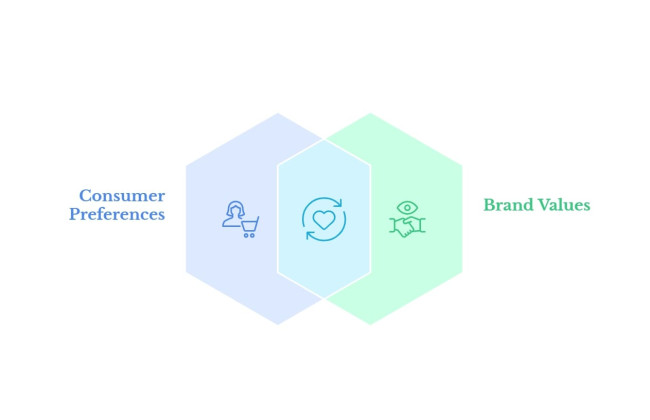
1. Provide Comprehensive Creative Briefs
The more clearly you articulate your vision, requirements, audience, competitors, and preferences, the more effectively designers can meet your needs. Invest time upfront documenting:
- Your brand positioning and unique value proposition
- Target audience demographics and psychographics
- Competitor analysis and differentiation goals
- Desired emotional response and brand personality
- Practical application requirements and constraints
- Visual preferences and style references
This clarity prevents misaligned concepts and wasted revision rounds, saving both time and money while producing better results.
2. Collect Visual References Without Copying
Create a mood board or Pinterest board showing logos, colors, typography, and styles you find appealing not to copy but to illustrate aesthetic preferences and help designers understand your visual language. Visual references speak more clearly than verbose descriptions.
Include both “inspiration” (what you like) and “avoidance” (what you dislike) examples, helping designers navigate toward appropriate territory.
3. Balance Guidance with Designer Expertise
While you know your business best, experienced designers understand visual communication principles, psychological impacts of design choices, and practical application considerations you may overlook.
Provide clear direction about business objectives and brand strategy, then trust designer expertise on execution. The best client-designer relationships involve collaborative problem-solving rather than order-taking.
4. Communicate Decisively and Promptly
Vague, contradictory, or delayed feedback extends timelines, wastes effort on wrong directions, and often incurs additional costs. When reviewing concepts:
- Provide specific, actionable feedback rather than subjective reactions
- Explain why you like or dislike elements, not just what
- Prioritize feedback what matters most versus minor preferences
- Respond within agreed timeframes to maintain momentum
- Make decisions rather than endlessly requesting alternatives
5. Request Comprehensive File Packages Upfront
Ensure your final deliverables include:
- Vector formats (AI, EPS, SVG) that scale infinitely without quality loss
- High-resolution raster formats (PNG with transparency, JPG) in various sizes
- Color variations (full-color, black, white, single-color)
- Orientation options (horizontal, vertical, square) for different applications
- Clear usage guidelines specifying minimum sizes, clear space requirements, and improper usage
These comprehensive packages prevent future costs and ensure consistent application across all brand touchpoints.
6. Plan for Complete Brand Implementation
A logo alone doesn’t constitute complete brand identity. Consider how you’ll apply your logo across:
- Digital platforms (website, social media, email)
- Print materials (business cards, letterhead, brochures)
- Signage and environmental graphics
- Packaging and product applications
- Promotional items and merchandise
- Advertising and marketing campaigns
Planning for complete implementation during design phase ensures your logo works effectively everywhere it appears, not just in isolation.
7. Protect Your Investment Legally
Once you’ve invested in professional logo design, protect that investment through trademark registration if appropriate for your business. While not every local service business needs trademark protection, growing companies planning expansion or building valuable brand equity should strongly consider registration to prevent competitive copying and establish legal ownership.
Consult intellectual property attorneys for guidance on whether trademark protection makes sense for your specific situation and how to pursue it effectively across relevant jurisdictions and product categories.
8. Maintain Consistency From Day One
Brand value compounds through consistent application over time. From your first day using your new logo, maintain strict consistency in how it appears:
- Always use approved logo files, never recreating from memory
- Respect minimum size and clear space requirements
- Apply only approved color variations
- Follow usage guidelines religiously
- Audit third-party applications (partners, vendors, media)
Inconsistent application undermines brand recognition and wastes your logo investment by failing to build the visual equity consistency creates.
Consider investing in theme customization services that document standards comprehensively and ensure your digital presence reflects brand guidelines perfectly.
Common Logo Design Mistakes That Waste Money
Learning from others’ mistakes costs less than making them yourself. Here are frequent errors that waste budget and compromise effectiveness:
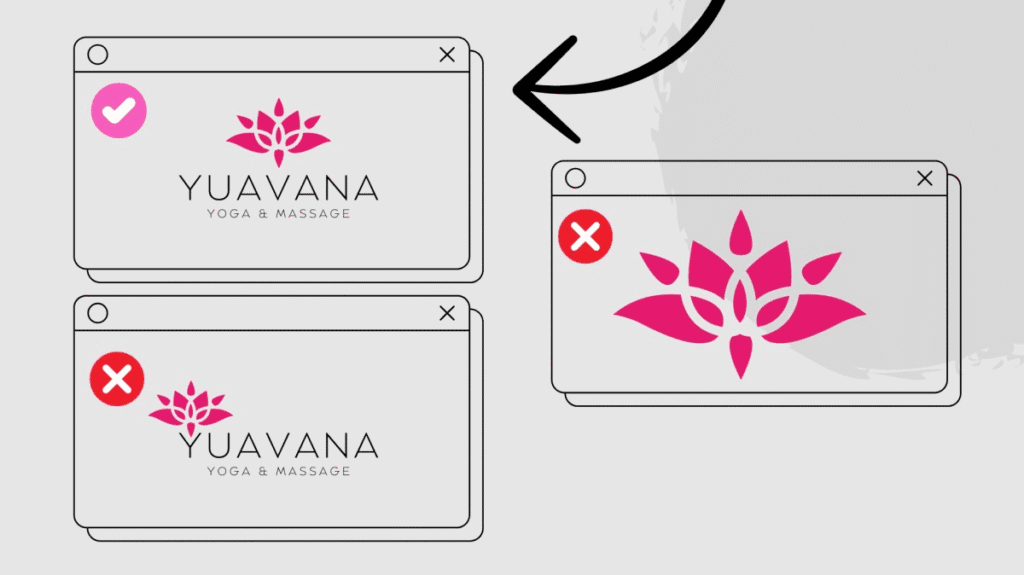
1. Choosing Based Solely on Price
The cheapest option rarely delivers best value. While budget constraints are real, selecting designers exclusively based on lowest price typically results in amateur work requiring expensive redesigns within months or years.
Evaluate designers based on portfolio quality, process sophistication, client testimonials, and value provided not just hourly rates or project fees. Sometimes paying 2x more delivers 10x better results.
2. Skipping Research and Strategy
Jumping directly to design without understanding your competitive landscape, target audience, or brand positioning produces generic solutions that fail to differentiate or resonate.
Research and strategy aren’t unnecessary expenses they’re foundations ensuring design decisions serve business objectives rather than just looking nice.
3. Designing by Committee
Seeking input from numerous stakeholders partners, employees, family, friends often results in compromised designs trying to please everyone while satisfying no one. Too many opinions dilute focused vision and lead to generic solutions.
Limit decision-makers to those with genuine strategic responsibility and design literacy. Collect input broadly during briefing, then empower a small group (ideally 1-3 people) to make final decisions.
4. Following Trends Too Closely
While staying contemporary matters, logos overly influenced by temporary trends quickly feel dated. The minimalist flat design trend that dominated 2010-2015 gave way to more dimensional approaches recently, requiring redesigns for trend-followers.
Balance contemporary sensibility with timeless fundamentals ensuring longer-term relevance. Your logo should feel current today but not embarrassingly dated in 5-10 years.
5. Ignoring Practical Application Requirements
Logos must work across countless applications tiny social media avatars, massive billboards, embroidered apparel, engraved products, black-and-white photocopies, and everything between.
Designs that look beautiful in full color at large sizes often fail at small scales or in single-color applications. Ensure your designer tests logos across realistic use cases, or you’ll discover problems after investing in implementation.
6. Accepting First Concepts Without Exploration
Designers’ initial concepts represent early thinking, not final solutions. Accepting first presentations without requesting alternatives or refinements often means missing superior solutions that deeper exploration would reveal.
Quality design processes include iteration, refinement, and progressive improvement not immediate perfection. Budget for multiple concepts and revision rounds rather than expecting one-shot success.
7. Neglecting File Format Requirements
Discovering after launch that you only have low-resolution JPG files unsuitable for print, large-format applications, or professional reproduction costs money and time to correct. Many situations require vector formats that scale infinitely ensure you receive them upfront.
Similarly, lacking color variations (white version for dark backgrounds, single-color for specialty printing) limits application flexibility and may require paying designers to create versions that should have been included originally.
8. Failing to Document Usage Guidelines
Without clear documentation, different people apply your logo inconsistently wrong colors, improper sizing, stretched proportions, cluttered placement. This inconsistency undermines brand recognition and wastes your investment.
Invest in creating or commissioning basic brand guidelines documenting proper logo usage, even if just a simple PDF with basic rules and examples.
9. Rushing the Process
Treating logo design as a task to check off quickly rather than a strategic investment deserving appropriate time produces rushed, poorly considered solutions. Great logos emerge from thoughtful process, not speedy execution.
Allocate realistic timelines allowing proper research, creative exploration, revision, and refinement. Urgency rarely improves quality it just increases costs through rush fees while compromising outcomes.
10. Forgetting About Longevity
Your logo should serve your brand for years, ideally decades. Designing for this year’s aesthetic trends or current business stage without considering evolution produces logos requiring premature replacement.
Think long-term: will this logo remain relevant as your business grows? Does it accommodate future product lines or market expansion? Can it evolve subtly rather than requiring complete replacement?
Avoiding these mistakes requires discipline, patience, strategic thinking, and willingness to invest appropriately rather than seeking the fastest, cheapest solution. When working with experienced web design and development agency professionals, their accumulated knowledge helps navigate these challenges successfully.
Real-World Logo Design Examples and Costs
To contextualize the pricing ranges discussed, let’s examine several famous logo designs and their actual costs demonstrating that price doesn’t always correlate with long-term value:
Nike Swoosh – $35 (1971)
Perhaps the most famous logo design story in history, Nike’s iconic swoosh was created by graphic design student Carolyn Davidson for just $35 (equivalent to about $240 today). Nike founder Phil Knight famously said he didn’t love it initially but that it would “grow on him” which proved to be history’s greatest design understatement.
The swoosh now represents a brand valued at over $200 billion, demonstrating that brilliant simplicity executed well can create tremendous lasting value regardless of initial investment. However, this shouldn’t encourage paying $35 for logos Davidson’s fee reflected 1971 student rates, and Nike later gave her stock worth over $1 million in recognition.
Lesson: Simplicity, versatility, and consistent application matter more than complexity or initial cost.
Twitter Bird – $15 (2012)
Twitter purchased their iconic bird logo from stock image site iStock for just $15. Designer Simon Oxley had created it as generic clip art without Twitter specifically in mind. Twitter’s team then refined and adapted it, eventually simplifying it further into the single-color silhouette recognized globally today.
Lesson: Starting point matters less than refinement and strategic application. Even template-based beginnings can evolve into iconic brand symbols with thoughtful iteration and consistent use.
Pepsi Rebranding – $1,000,000+ (2008)
On the opposite extreme, Pepsi paid the Arnell Group over $1 million for their 2008 rebrand. The project included extensive research, strategic positioning, and numerous design explorations documented in a controversial 27-page rationale explaining the logo’s geometric proportions and symbolic meanings.
While the rebrand generated significant debate about whether such investment was justified, it demonstrates that major corporations invest heavily in brand identity as strategic business assets rather than decorative expenses.
Lesson: Corporate rebranding involves far more than logo redesign including strategy, stakeholder management, comprehensive implementation, and organization-wide change management justifying premium investment.
BBC Logo – £1,800,000 (1997)
The BBC’s corporate identity redesign by Martin Lambie-Nairn cost £1.8 million, sparking public outcry about excessive spending on seemingly minor logo changes. However, the comprehensive project included not just the logo but complete visual identity systems, motion graphics templates, digital applications, and implementation guidance across the organization’s entire global operation.
Lesson: Headline logo costs often include far more than just the mark itself encompassing complete brand systems, extensive application design, implementation support, and strategic consultation across complex organizations.
Google Logo Refresh – Internal Cost (2015)
Google’s 2015 logo refresh was designed by their internal team, making external costs negligible but representing thousands of hours of internal labor. The project included extensive testing, multiple iterations, careful consideration of how the logo functions across countless applications and screen sizes, and coordination across the massive organization.
Lesson: Major companies often choose internal design development over external agencies, not necessarily for cost savings but for control, continuity, cultural fit, and deep brand understanding.
Airbnb Bélo Symbol – Approximately $1,000,000 (2014)
Airbnb’s 2014 rebrand introducing the Bélo symbol reportedly cost around $1 million, including comprehensive brand strategy, extensive community research, the distinctive symbol design, complete identity system development, and global launch campaign.

The investment reflected Airbnb’s transition from startup to global brand, requiring identity systems supporting diverse international markets and countless application contexts.
Lesson: Transformational rebrands for companies at inflection points justify substantial investment because brand identity must scale globally and support long-term growth trajectories.
The Psychology of Logo Design Pricing
Understanding why logo design prices vary so dramatically requires examining psychological and economic factors influencing both designer pricing and client perceptions:
Perceived Value vs. Actual Production Cost
Logo design involves relatively modest direct costs software subscriptions, computer equipment, and designer time. However, the value created through effective brand identity can far exceed production costs exponentially.
A logo used consistently for decades across millions of customer impressions creates compounding value. This value-cost disconnect explains why experienced designers charge premium rates despite relatively modest direct expenses they’re pricing based on value delivered, not just hours worked.
Experience Premium and Pattern Recognition
Senior designers command higher rates not just for technical skills but for accumulated pattern recognition, strategic thinking, and taste refinement developed over thousands of hours and hundreds of projects.
They avoid missteps that beginners make, work more efficiently despite appearing to invest similar time, and deliver solutions that novices might never discover. This expertise premium reflects genuine value even when similar hours are invested.
Brand Positioning Through Pricing
Paradoxically, some designers and agencies maintain high prices partially to signal premium positioning and attract clients valuing quality over cost. Exclusive agencies charging $50,000+ for logo design aren’t necessarily 100x better than designers charging $500 but their pricing communicates they serve elite clients with premium expectations and resources.
For some customers, high prices provide reassurance of quality and exclusivity rather than deterring purchase.
Client Budget Signals and Market Segmentation
Designer pricing often reflects their target client segment rather than pure cost calculation. Designers charging $500 target small businesses and startups with limited budgets. Those charging $5,000 target established companies with proper marketing budgets. Premium agencies charging $50,000+ target enterprise corporations and well-funded ventures.
Each price point attracts corresponding client types, creating self-reinforcing market segmentation where designers serve clients matching their positioning.
The “Cheap is Expensive” Phenomenon
Clients who choose $50 logos often find themselves paying for multiple redesigns within the first year as they recognize inadequacy and hire better designers to fix problems. Had they invested $500-$1,000 initially in appropriate quality, they would have saved money long-term while avoiding the disruption and lost brand equity from frequent changes.
This pattern reinforces the wisdom of appropriate initial investment over false economy, though the challenge lies in determining “appropriate” for your specific situation.
Frequently Asked Questions About Logo Design Costs
1. How much should a small business pay for a professional logo?
Small businesses typically spend $500–$2,500 for a custom logo that’s original, strategic, and aligned with business goals. This range covers concept creation, revisions, and full file packages. Cheaper DIY options (<$300) often lack uniqueness, while premium agencies ($5,000+) may exceed most small business needs. Aim for a balanced investment based on your brand’s stage and growth plans.
2. Is it worth hiring an expensive logo designer or agency?
It depends on your brand’s goals. If your business relies heavily on branding—like fashion, luxury, or design industries—then paying $5,000–$15,000+ can deliver strong ROI through brand credibility and higher conversions. But small service or B2B businesses can often achieve great results at moderate prices if the designer is skilled and strategic.
3. What should I look for when choosing a logo designer?
Review their portfolio, ensure they understand your business goals, and check client feedback. A good designer asks strategic questions, communicates clearly, delivers editable files, and defines usage rights upfront. Choose based on value, not just price, and ensure they’re a good communication fit for long-term collaboration.
4. Can I trademark a DIY or template-based logo?
Technically yes, but risky. Template-based logos often lack originality and may resemble others, causing trademark issues. Licensing restrictions and limited distinctiveness can lead to rejection or legal disputes. If you want long-term brand protection, invest in a custom, original logo from a professional designer.
5. How long does professional logo design take?
Expect 2–6 weeks for most custom logo projects. Freelancers usually deliver faster (2–4 weeks), while agencies may take 6–12 weeks for deeper research and multiple rounds. Timeline depends on complexity, feedback speed, and the designer’s process.
6. What file formats should I receive?
A complete logo package includes:
- Vector files: AI, EPS, SVG, PDF (for printing and scaling).
- Raster files: PNG (transparent), JPG (for web).
- Color versions: Full color, black, white, grayscale.
- Orientation options: Horizontal, vertical, square.
- Style guide: Usage rules, color codes, and font details.
Always request editable source files to ensure future flexibility.
Final Thoughts: Investing Wisely in Your Brand Identity
Your logo represents far more than a decorative element or legal requirement it’s the visual foundation of your entire brand identity, the symbol representing your business across countless touchpoints for years or potentially decades. While logo design costs vary dramatically from free DIY tools to six-figure agency engagements, the question isn’t simply “How much does a logo cost?” but rather “How much should I invest in this foundational brand element given my specific circumstances, goals, and competitive environment?”
The answer depends on your business stage, budget realities, timeline constraints, industry dynamics, competitive positioning, and how critical visual identity is to your success. A tech startup seeking venture funding needs more sophisticated branding than a local service business. A luxury fashion brand requires greater design investment than a B2B software tool. An established company rebranding needs comprehensive strategy and implementation that new ventures don’t.
What matters most is making informed decisions based on clear understanding of what you receive at each price point, what drives pricing differences, how your logo will be used long-term, and what constitutes appropriate investment for your unique situation. Under-investing in a fundamental brand element to save a few hundred dollars often proves expensive when you’re forced to rebrand within months after recognizing inadequacy. Over-investing in premium design before validating your business model may also represent misallocated resources better spent on product development or customer acquisition.
The sweet spot for most small to medium businesses typically falls in the $500-$2,500 range enough to secure custom professional work from experienced freelancers or boutique agencies without enterprise-level pricing. This investment delivers original, strategic design rooted in understanding your business, market, and audience while remaining accessible for companies without extensive branding budgets.
At Web Guider Agency, we understand that effective brand identity extends beyond isolated logos to comprehensive visual systems working seamlessly across all touchpoints websites, social media, marketing materials, and customer experiences. Our web design services ensure your logo integrates perfectly with your complete digital presence, creating cohesive brand experiences that build recognition, trust, and loyalty.
Ready to Invest in Professional Logo Design?
Whether you’re launching a new venture, rebranding an established business, or finally replacing that DIY logo that’s been embarrassing you, professional design makes measurable differences in how customers perceive and engage with your brand.
Understanding logo design costs empowers you to invest wisely rather than either overpaying for mediocre work or under-investing in something failing to represent your brand effectively. Your logo will appear millions of times throughout your brand’s lifetime making appropriate investment one of the smartest business decisions you’ll ever make.
Book a Free Consultation with Web Guider Agency today. Let’s discuss your brand vision, explore design possibilities, and develop a strategic approach to visual identity that elevates your business while fitting your budget and timeline.
Start Your Branding Project or explore our comprehensive services to discover how we help businesses build powerful brands through strategic design, technical excellence, and measurable results.
Additional Resources:
- View Our Design Portfolio
- Read Client Success Stories
- Explore Our Services
- Web Design Blog
- Branding Insights
Your brand deserves professional representation that builds recognition, drives trust, and supports growth. Let’s create it together.
About Web Guider Agency
Web Guider Agency is your trusted partner for logo design, brand identity, and comprehensive digital solutions.
With proven experience creating memorable brand identities for creative entrepreneurs, coaches, and businesses across industries, we combine strategic thinking with creative excellence to deliver logos that don’t just look exceptional they drive measurable business results. Our transparent, scalable approach ensures you receive professional design that fits your budget while exceeding your expectations. Contact us today to start your branding journey with confidence and clarity.